Buy Brazilian Mimosa Hostilis Root Bark-Whole USA | Brazilian Mimosa Hostilis Root Bark-Whole for sale
Brazilian Mimosa Hostilis Root Bark – Whole is a naturally derived botanical material sourced from the root bark of Mimosa hostilis, a plant associated with northeastern Brazil and other regions of South America.
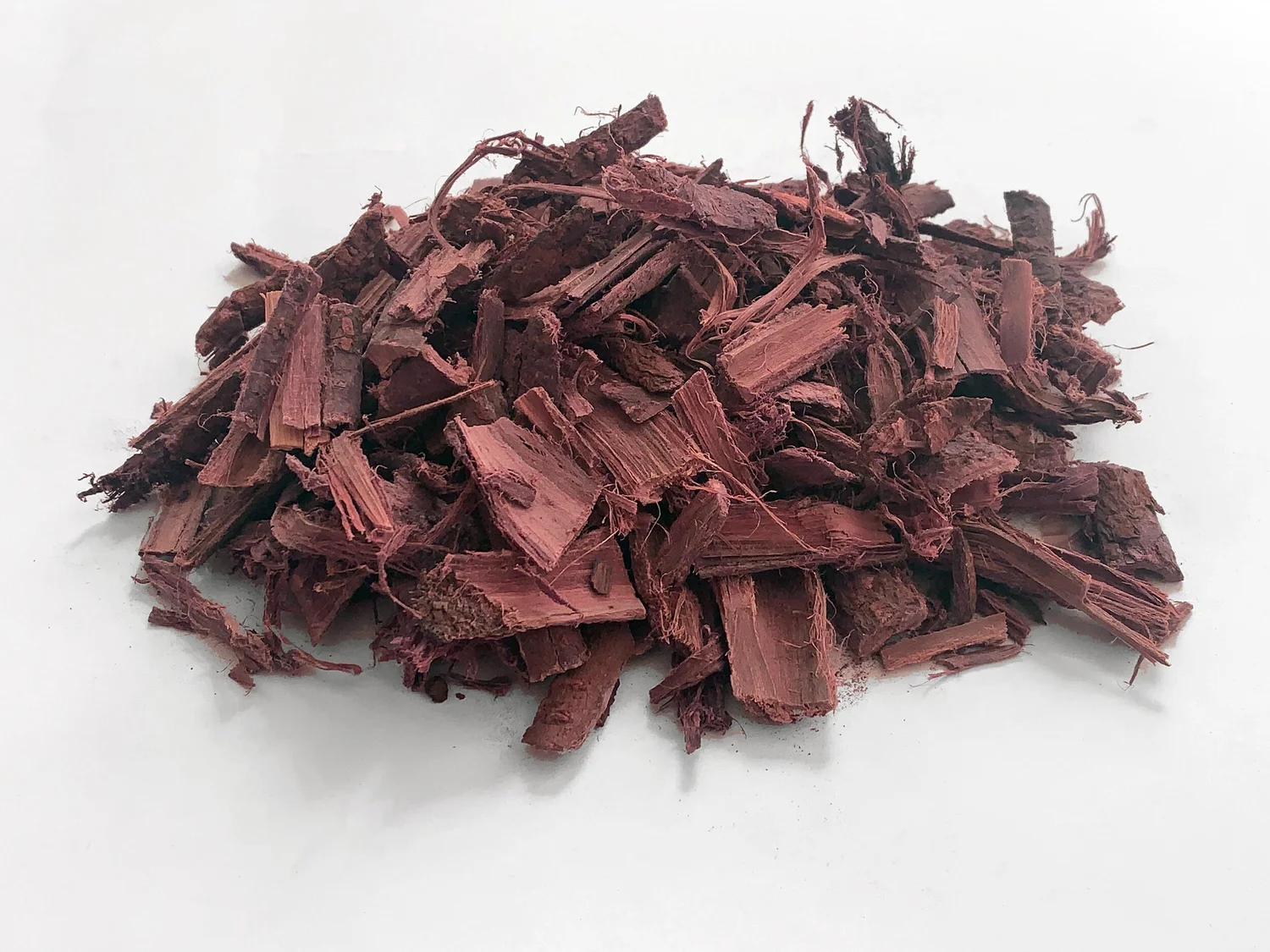
Unlike powdered botanical material, whole root bark retains its original larger physical form, allowing researchers and botanical enthusiasts to examine the material in a less processed state. The whole format can provide useful opportunities for observing characteristics such as natural texture, coloration and physical structure.
This product is presented as a botanical material for lawful research and educational purposes. Because naturally sourced plant materials can vary from one harvest or batch to another, differences in appearance, texture and color are possible and should be considered normal characteristics of botanical products.
What Is Mimosa Hostilis?
Mimosa hostilis is a woody plant belonging to the Fabaceae family. It is native to parts of South America and has a particularly strong botanical association with northeastern Brazil.
The species has been documented in botanical and ethnobotanical literature and is recognized for its ability to grow in relatively dry environments. Like other plants in the Mimosa genus, it has distinctive botanical characteristics that have contributed to scientific and educational interest.
When referring specifically to Mimosa Hostilis Root Bark, the product concerns the bark associated with the roots of the plant. This is different from other plant materials such as leaves, stems, flowers or seeds.
Brazilian Origin and Sourcing
Brazil is one of the regions most closely associated with the natural distribution of Mimosa hostilis. Environmental conditions, soil composition, rainfall and regional climate can influence the characteristics of naturally occurring plant materials.
For botanical products, accurate identification and sourcing information are important. A properly described product should identify the botanical species, plant part and available origin information.
The whole root bark format provides a less processed representation of the botanical material compared with finely milled or powdered forms. Its natural appearance may therefore vary depending on the source material and processing used to prepare it for packaging.
Whole Root Bark Characteristics
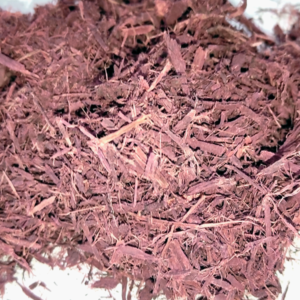
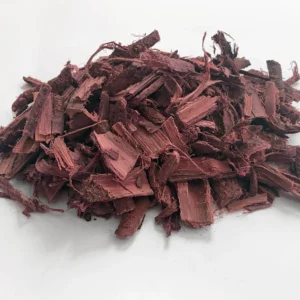
Brazilian Mimosa Hostilis Root Bark – Whole is supplied in larger pieces rather than as a finely ground powder.
The physical appearance of whole root bark may vary naturally. Characteristics can include differences in:
- Color
- Thickness
- Texture
- Surface appearance
- Piece size
- Natural aroma
- Overall shape
These differences may occur because botanical materials are affected by growing conditions, plant maturity, harvesting practices, drying conditions and handling.
Customers should use the product description and batch information supplied with their specific order when evaluating the material rather than relying exclusively on photographs.
Whole Root Bark vs. Powder
The primary difference between whole root bark and powdered root bark is the degree of processing.
Whole root bark retains larger pieces of the original botanical material, while powdered root bark has undergone additional grinding or milling.
Whole material may therefore be useful when the physical structure and natural appearance of the plant material are relevant to a botanical or educational project.
Powdered material, by contrast, is a more processed form with a smaller particle size. The appropriate format depends on the legitimate purpose of the research or educational activity.
Product Specifications
| Specification | Details |
|---|---|
| Product Name | Brazilian Mimosa Hostilis Root Bark – Whole |
| Botanical Name | Mimosa hostilis |
| Plant Part | Root bark |
| Product Form | Whole pieces |
| Botanical Origin | Brazil |
| Category | Botanical material |
| Intended Purpose | Lawful research and educational purposes |
| Storage | Cool, dry and sealed environment |
Natural botanical materials can vary between batches. Always refer to the packaging and available batch documentation for the most accurate product information.
Quality and Identification
Clear botanical identification is an important part of responsible sourcing. Product descriptions should identify the botanical name and the specific plant part represented by the material.
Where available, batch documentation and analytical information can provide additional information about the identity and quality characteristics of a particular product.
Because this is a naturally derived material, visual differences between individual pieces should be expected. Variations in color, thickness, texture and size do not necessarily indicate a change in botanical identity.
Customers should review any available product documentation associated with their particular batch.
Storage and Handling
Proper storage can help preserve the physical condition of whole botanical materials.
Brazilian Mimosa Hostilis Root Bark – Whole should be kept in a clean, dry and appropriately sealed environment. Exposure to excessive moisture, heat and direct sunlight should be minimized.
Recommended general storage considerations include:
- Keep the material dry.
- Store it in sealed packaging.
- Avoid excessive humidity.
- Keep away from direct sunlight.
- Protect from excessive heat.
- Handle with clean, dry hands or appropriate equipment.
Any specific storage instructions supplied with the product should take priority.
Botanical Research and Educational Information
Mimosa hostilis can be studied from several botanical perspectives, including plant classification, geographical distribution, morphology and ethnobotanical history.
Whole root bark can be particularly relevant to educational observation because the material retains more of its original physical structure than a finely processed powder.
Researchers and educational users should ensure that their activities comply with all applicable institutional requirements and laws.
This product description intentionally focuses on botanical identity, physical characteristics, sourcing and general product information rather than medical or consumption-related claims.
Responsible Botanical Sourcing
When purchasing botanical materials, customers should look for transparent product descriptions and accurate information about botanical identity and plant part.
A detailed product listing can help distinguish between whole root bark, cut material and powdered material. Clear descriptions also make it easier to compare products and understand how much processing has occurred before packaging.
For Brazilian Mimosa Hostilis Root Bark – Whole, the key identifying characteristics are the botanical species, root-bark plant part, Brazilian origin and whole-piece format.
Frequently Asked Questions
What is Brazilian Mimosa Hostilis Root Bark – Whole?
It is a whole botanical material derived from the root bark of Mimosa hostilis, a plant associated with Brazil and other regions of South America.
What is the botanical name?
The botanical name is Mimosa hostilis, a member of the Fabaceae family.
What does “whole” mean?
“Whole” indicates that the root bark is supplied in larger pieces rather than being finely ground into powder.
Where does Mimosa hostilis originate?
Mimosa hostilis is native to parts of South America, with a strong natural association with northeastern Brazil.
Why can individual pieces look different?
Natural plant materials can vary in color, thickness, texture and size due to differences in growing conditions, plant maturity, harvesting and drying.
What is the difference between whole root bark and root bark powder?
Whole root bark consists of larger pieces of the botanical material, while root bark powder has been mechanically processed into a much finer particle size.
How should whole Mimosa Hostilis Root Bark be stored?
Keep it sealed in a cool, dry environment away from excessive moisture, heat and direct sunlight.
Is this product a dietary supplement?
No. It should not be represented as a dietary supplement, food, medicine or treatment. It is presented as a botanical material for lawful research and educational purposes.
Is this botanical material legal in the United States?
Applicable laws can vary depending on the jurisdiction and intended use. Customers are responsible for determining and complying with all applicable federal, state and local laws before purchasing, possessing or using botanical materials.
Disclaimer
This product is offered as a botanical material for lawful research and educational purposes only. It is not marketed as a food, dietary supplement, medicine or treatment, and no medical or therapeutic claims are made.
Customers are responsible for determining and complying with all applicable federal, state and local laws and regulations concerning botanical materials. The information on this page is provided for general botanical and product-information purposes and should not be interpreted as medical advice.
Reviews
There are no reviews yet.