Buy Brazilian Mimosa Hostilis Root Bark– shredded USA | Brazilian Mimosa Hostilis Root Bark– shredded for sale
Brazilian Mimosa Hostilis Root Bark – Shredded is a naturally derived botanical material sourced from the root bark of Mimosa hostilis, a plant associated with northeastern Brazil and other regions of South America.
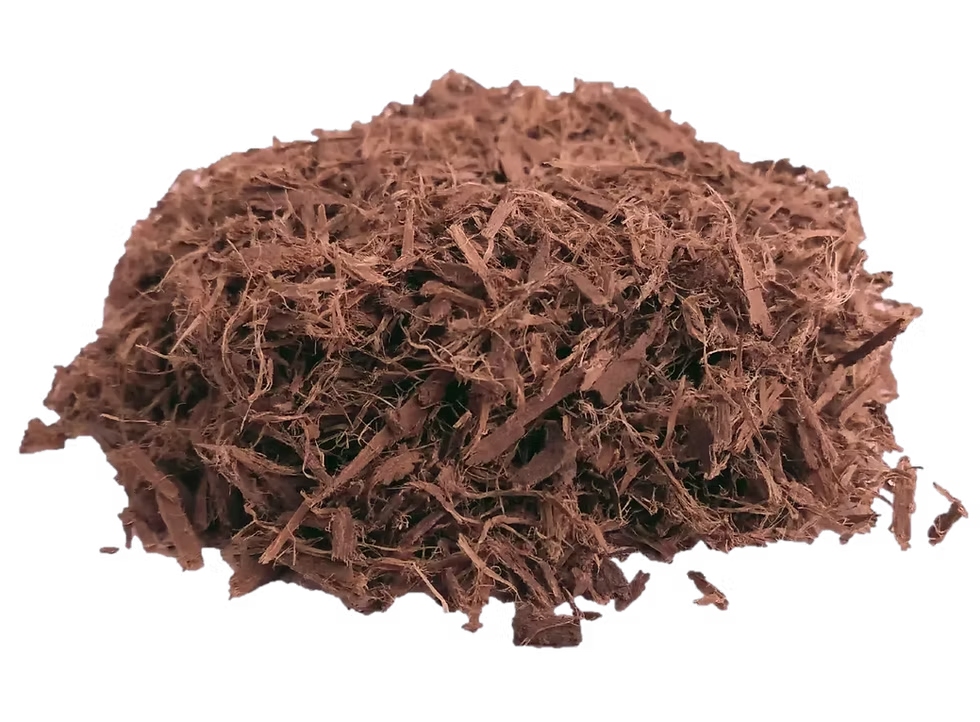
The shredded format consists of smaller pieces of root bark rather than whole sections or finely milled powder. This provides a distinct physical form that allows the natural texture and characteristics of the botanical material to remain more apparent.
This product is presented as a botanical material for lawful research and educational purposes. As a naturally sourced plant material, characteristics such as color, texture, piece size and appearance can vary between batches.
What Is Mimosa Hostilis?
Mimosa hostilis is a woody plant belonging to the Fabaceae family. It is native to parts of South America and is particularly associated with northeastern Brazil.
The species has been documented in botanical and ethnobotanical literature and is recognized for its distinctive characteristics and ability to grow in relatively dry environments.
When referring to Mimosa Hostilis Root Bark, it is important to distinguish the root bark from other parts of the plant. Leaves, stems, flowers, seeds and root bark are separate botanical materials and should not be treated as interchangeable.
The product described on this page consists specifically of shredded root bark.
Brazilian Origin and Botanical Sourcing
Brazil has a significant natural association with Mimosa hostilis. The plant occurs in environments where climate, soil composition and seasonal conditions can influence its growth and physical characteristics.
Naturally sourced botanical materials can differ depending on their geographic origin, growing environment, plant maturity, harvesting practices and post-harvest processing.
Responsible botanical sourcing begins with accurate identification of the plant species and the specific portion of the plant being supplied. For Brazilian Mimosa Hostilis Root Bark – Shredded, the relevant identifiers are the botanical species, root-bark plant part, Brazilian origin and shredded format.
What Does “Shredded” Mean?
“Shredded” describes the physical form of the product.
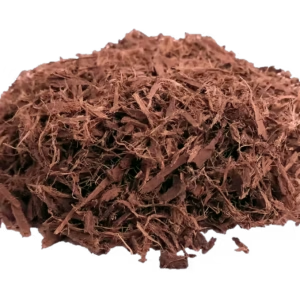
Rather than being supplied as large whole pieces of root bark or as a finely ground powder, shredded root bark consists of smaller strips or pieces.
This format retains more of the original physical characteristics of the bark than a powder while offering a smaller and more manageable form than whole pieces.
The exact dimensions of shredded pieces can naturally vary depending on the processing method and the characteristics of the source material.
Characteristics of Shredded Root Bark
Brazilian Mimosa Hostilis Root Bark – Shredded may naturally display variations in appearance and texture.
Common characteristics may include:
- Natural brown or reddish-brown tones
- Irregular piece sizes
- Fibrous texture
- Natural botanical aroma
- Variations in thickness
- Differences in piece shape
These characteristics can vary from batch to batch because plant-derived materials are influenced by natural growing and processing conditions.
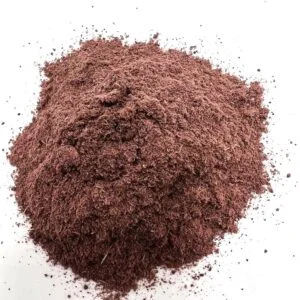
Photographs should therefore be considered representative rather than a guarantee that every batch or individual piece will have an identical appearance.
Shredded Root Bark vs. Whole Root Bark
The main difference between shredded and whole root bark is physical size and processing.
Whole root bark generally consists of larger sections that retain more of the original shape and structure of the plant material.
Shredded root bark consists of smaller pieces produced through mechanical processing. It remains visibly recognizable as bark while being more fragmented than whole material.
The appropriate format depends on the lawful botanical or educational purpose for which the material is being examined.
Shredded Root Bark vs. Powder
Shredded root bark and powdered root bark also differ primarily in particle size.
Shredded material consists of visible pieces, while powdered material has been processed into a substantially finer form.
For botanical observation, shredded material can provide an intermediate format between whole bark and powder. The larger pieces can make characteristics such as texture and natural structure easier to observe.
Product Specifications
| Specification | Details |
|---|---|
| Product Name | Brazilian Mimosa Hostilis Root Bark – Shredded |
| Botanical Name | Mimosa hostilis |
| Plant Part | Root bark |
| Product Form | Shredded pieces |
| Botanical Origin | Brazil |
| Category | Botanical material |
| Intended Purpose | Lawful research and educational purposes |
| Storage | Cool, dry and sealed environment |
Specific product specifications may vary according to the individual batch. Always refer to the product label and available documentation for current information.
Quality and Identification
Accurate botanical identification is an important consideration when purchasing plant-derived materials.
A clear product description should identify the botanical name, plant part, physical form and available origin information. Where applicable, supporting batch documentation can provide additional information about the identity and quality characteristics of the material.
Natural variation should also be taken into consideration. Differences in color, piece size, texture and thickness can occur naturally and do not automatically indicate a difference in botanical identity.
Customers should refer to the documentation associated with their specific batch for the most accurate product information.
Storage and Handling
Proper storage helps maintain the physical condition of shredded botanical materials.
Brazilian Mimosa Hostilis Root Bark – Shredded should be stored in a clean, dry environment and kept securely sealed when not being handled.
General storage considerations include:
- Keep the material dry.
- Protect it from excessive humidity.
- Avoid prolonged exposure to direct sunlight.
- Keep away from excessive heat.
- Store in sealed packaging.
- Handle using clean, dry equipment when appropriate.
The storage instructions supplied with the specific product should always take priority.
Botanical and Educational Research
Mimosa hostilis is of interest in botanical and ethnobotanical research because of its geographical distribution, classification, physical characteristics and historical documentation.
Shredded root bark can provide a useful physical format for lawful educational observation because individual pieces retain visible botanical characteristics that may be less apparent in finely powdered material.
Botanical research should be performed responsibly and in accordance with applicable institutional, federal, state and local requirements.
Responsible Use of Botanical Materials
When purchasing botanical materials in the United States, customers should consider the accuracy and completeness of the product information provided.
Important information includes the botanical identity, plant part, origin, physical format, storage requirements and any available quality documentation.
For Brazilian Mimosa Hostilis Root Bark – Shredded, the term “shredded” specifically describes the physical processing of the root bark into smaller pieces. It does not indicate that the material is a food, dietary supplement or medicine.
Frequently Asked Questions
What is Brazilian Mimosa Hostilis Root Bark – Shredded?
It is a shredded botanical material derived from the root bark of Mimosa hostilis, a plant associated with Brazil and other parts of South America.
What is the botanical name?
The botanical name is Mimosa hostilis. It belongs to the Fabaceae family.
What does shredded root bark mean?
Shredded root bark consists of smaller pieces or strips of root bark rather than large whole pieces or finely ground powder.
Where does Mimosa hostilis originate?
Mimosa hostilis is native to parts of South America, with a strong association with northeastern Brazil.
How does shredded root bark differ from powder?
Shredded root bark contains visible pieces of botanical material, whereas powder has been mechanically processed into a much finer particle size.
Can the appearance vary between batches?
Yes. Natural botanical materials can vary in color, texture, thickness and piece size due to differences in plant growth, harvesting, drying and processing.
How should shredded Mimosa Hostilis Root Bark be stored?
Keep it sealed in a cool, dry environment and protect it from moisture, excessive heat and prolonged direct sunlight.
Is this product a dietary supplement?
No. This product is not represented as a food, dietary supplement, medicine or treatment. It is presented as botanical material for lawful research and educational purposes.
Is Mimosa Hostilis Root Bark legal in the United States?
Applicable laws can differ between jurisdictions and may depend on the material and intended use. Customers are responsible for determining and complying with all applicable federal, state and local laws before purchasing, possessing or using botanical materials.
Disclaimer
This product is offered as a botanical material for lawful research and educational purposes only. It is not marketed as a food, dietary supplement, medicine or treatment, and no medical or therapeutic claims are made.
Customers are responsible for determining and complying with all applicable federal, state and local laws and regulations concerning botanical materials. The information provided on this page is for general botanical and product-information purposes and should not be interpreted as medical advice.
Reviews
There are no reviews yet.